As Minnesota’s largest provider of appliance repair and replacement services, Home Service Plus® (HSP) can offer guidance when HVAC systems begin to show their age.
The following sections outline indicators that an HVAC system may require maintenance or evaluation.
As HVAC components wear over time, system efficiency may decrease. This can contribute to higher energy use or changes in indoor air performance. Extreme temperature variations, such as those in Minnesota, may increase mechanical stress on heating and cooling systems.
Generally, air conditioners last 10 to 15 years, while furnaces may last for 15 to 20 years. Regular maintenance can help identify issues that may affect performance.
1. Uneven heating or cooling
Temperature differences between rooms may indicate an airflow imbalance or reduced system efficiency.
Possible contributing factors include dirty filters, blocked coils, or weakened blower motors that limit air movement to distant areas of the home, such as upper rooms or home additions. Improper equipment sizing can also affect temperature consistency.
2. Strange sounds that weren’t there before
New or irregular HVAC sounds may indicate component wear or mechanical imbalance. Rattling, banging, or buzzing noises are sometimes linked to blower or motor issues.
A humming sound can occur when electrical parts such as capacitors or relays begin to fail. Repeated clicking noises may mean that a contactor is not engaging properly. In some furnaces, loud bangs may be related to delayed ignition or loose internal components.
3. A subtle rise in energy bills
Your utility bills can be another resource for helping you spot HVAC issues. If your electric or gas bill rises more than 20% month-over-month without a significant weather change, that could be a sign of HVAC inefficiency, even if the HVAC is still “working.” This can occur when equipment cycles longer or runs more frequently to maintain temperature settings.
You can also compare year-over-year bills to see how any given month’s energy usage changed. Just be aware that energy rates can be increased periodically, and some utilities offer seasonal rate plans, so make sure your cost difference isn’t due to pricing changes.
4. More dust or dryness in the home
Static shocks, dry skin and cracking wood in furniture or hardwood floors can be subtle signs that the air is too dry in your home, which in turn can indicate that the HVAC is not regulating the humidity properly. This can happen when filters or coils are dirty, which reduces airflow and disrupts moisture balance.
Indoor air quality products from HSP such as humidifiers can help maintain balanced indoor air conditions by reintroducing moisture to the home when it’s overly dry.
5. Your home just doesn't feel comfortable
Sometimes with an aging HVAC, even with the thermostat set where you want it, things may just feel off in your house. Maybe it feels too hot upstairs, too cold downstairs, the air feels stuffy or stale.
Older systems can struggle to reach the thermostat setting when the weather swings. The humidity levels can affect your system as well: dry air feels cooler in winter and humid air feels warmer in summer.
And an issue called HVAC short cycling, in which the system shuts down prematurely before reaching the desired temperature, can cause temperature overshoot or undershoot.
6. Frequent thermostat adjustments
When the thermostat requires repeated adjustments to maintain temperature, the system may not be regulating air distribution efficiently.
This situation can occur due to short cycling, clogged filters, restricted vents, or electrical connection issues associated with system aging.
7. The maintenance gap
HVAC performance can decline over time without regular upkeep. If your system hasn’t been serviced recently and airflow or comfort levels have changed, it may be time for a tune-up.
Most systems benefit from having components checked twice a year. This includes testing electrical connections, checking refrigerant levels, and cleaning filters.
HSP’s
Maintenance Plan includes two seasonal visits each year and offers a convenient way to stay on top of system care as your equipment ages.
The not-so-subtle red flags
Some signs are more noticeable and may suggest that your HVAC system is no longer operating reliably. These include:
- blowing warm air in summer or cool air in winter
- loud clunking or grinding noises
- more frequent repair calls
If the issue is isolated, repair may be the best option. However, if the system is older or the repair is extensive, your technician may recommend replacing your HVAC system with a new, more energy-efficient system.
Repair or replace? How to decide
The 50% Rule for appliance repair can help guide your decision: if
the cost to repair the HVAC is more than 50% of the cost to replace it—and
the HVAC is more than halfway through its expected lifespan—replacement may be worth considering.
Also consider the number of HVAC repairs to your system in the last two years and how your last two years.
Need help deciding? HSP offers
in-home consultations for new HVAC systems.
How to extend the life of your HVAC system
Routine maintenance activities that homeowners can perform include replacing or cleaning air filters every one to three months, keeping vents unobstructed, and clearing debris from outdoor units. These actions can help support airflow and maintain basic system efficiency between professional service visits.
In addition to basic upkeep, regular professional maintenance plays an important role in supporting system performance and efficiency as equipment ages.
HSP offers both a
Maintenance Plan and
one-time maintenance to bring you professional assistance whenever you need it.
When it’s time, trust a Minnesota HVAC leader
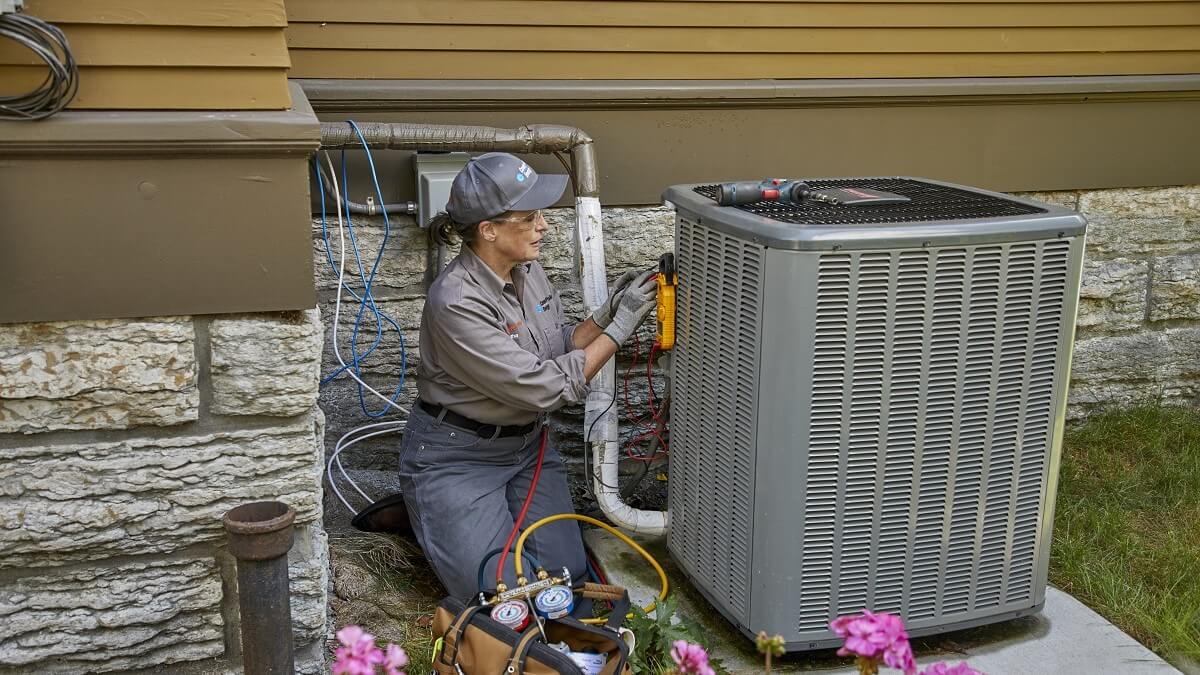 As a trusted HVAC service provider for Minnesota homes, Home Service Plus has experience helping homeowners manage the demands of local weather.
Our capabilities include repair, maintenance and sales of furnaces, air conditioners and heat pumps, as well as indoor air quality products like humidifiers and air cleaners.
Our licensed technicians perform all work, and we offer flexible financing options for qualified customers along with a selection of top-brand equipment.
Listen to what your HVAC is telling you
Noticing changes in noise levels, airflow, or how consistently your home holds a consistent temperature can be an early indicator that your HVAC system needs attention.
Home Service Plus offers both proactive and responsive options to help:
- Our Maintenance Plan includes scheduled inspections to help keep equipment performing as expected over time.
- For unexpected breakdowns, our Repair Plans provide coverage for many common home systems and appliances.
